
Social inclusion for people with disability goes beyond access to support services. Australian research highlights how barriers to accessibility, social opportunities and community participation can affect people's ability to build meaningful relationships and experience a sense of belonging.
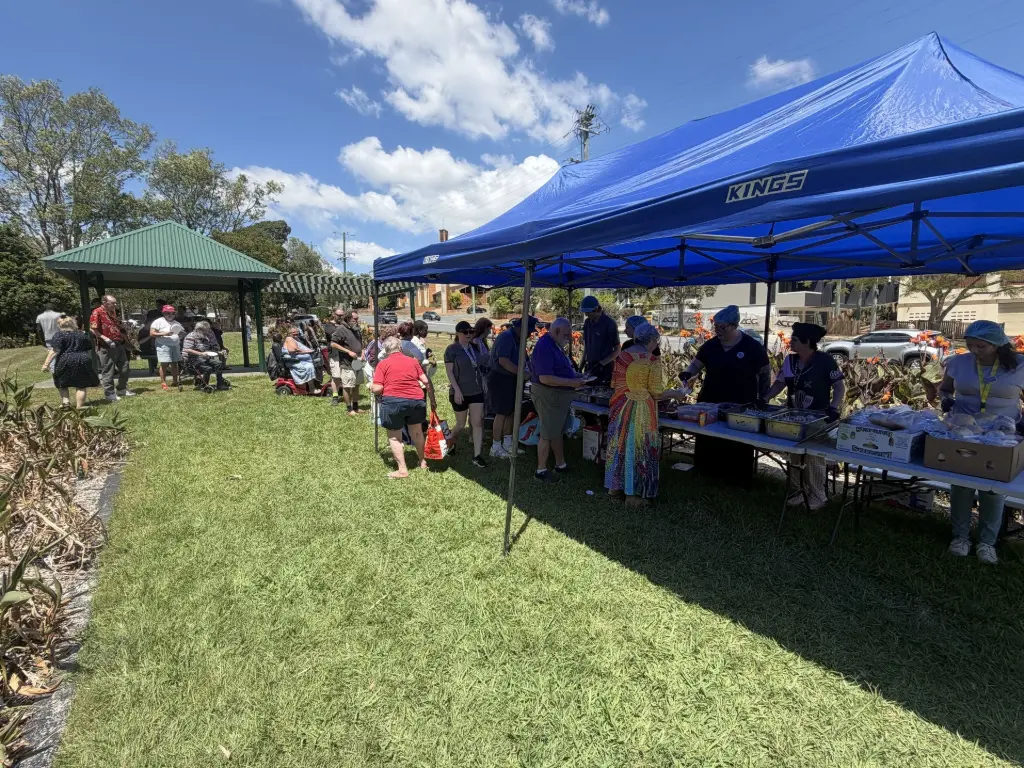
Supported Care’s QMHW 2026 event
For many Australians, being part of a community means more than simply living in one. It means having opportunities to build friendships, pursue interests, take part in activities and feel a sense of belonging. Yet for people living with disability, these everyday experiences can be harder to access.
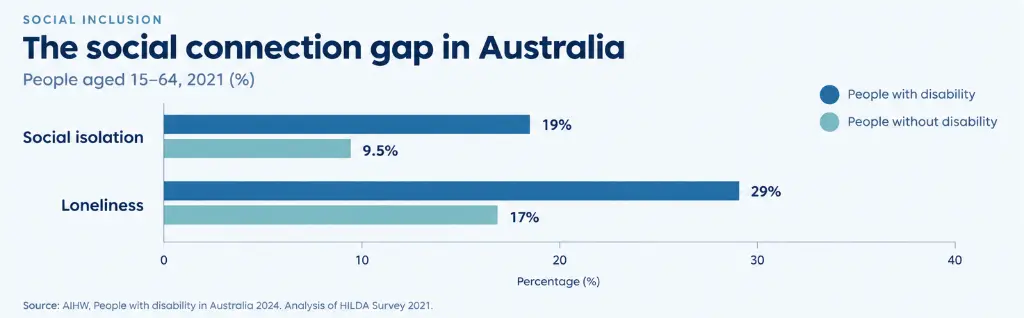
Research published by the Australian Institute of Health and Welfare (AIHW) in 2024 highlights the extent of this divide. Drawing on 2021 survey data, the report found that 19% of Australians with disability aged 15 to 64 experienced social isolation, compared with 9.5% of people without disability.
The findings point to an important distinction: having access to disability support does not necessarily mean having the same opportunities to build meaningful relationships or participate in community life.
Social isolation and loneliness are often discussed together, but they describe different experiences.
Social isolation refers to limited social contact with others, while loneliness reflects a person’s experience of feeling alone or disconnected.
The distinction matters because a person can regularly attend activities, receive formal assistance and interact with others while still experiencing loneliness.
The AIHW’s 2024 report found that 29% of people with disability aged 15 to 64 reported often feeling lonely in 2021, compared with 17% of people without disability.
These findings show that people with disability experience substantially higher rates of both social isolation and loneliness. They also suggest that opportunities for social interaction should be considered alongside practical assistance when discussing meaningful community participation.
What barriers prevent people with disability from participating in their communities?
Taking part in community life depends on more than a person’s willingness to get involved.
Access to transport, suitable facilities, affordable activities and appropriate assistance can influence whether someone can participate in activities outside their home.
According to the AIHW’s 2024 report, 27% of people with disability aged five and over living in households did not leave home as often as they would have liked, based on 2018 survey data.
The report also found that in 2019, 23% of people with disability aged 15 to 64 sometimes or often had difficulty getting to places they needed to reach, compared with 17% of people without disability.
These barriers can affect daily experiences, from visiting friends and attending appointments to participating in recreational activities or community events.
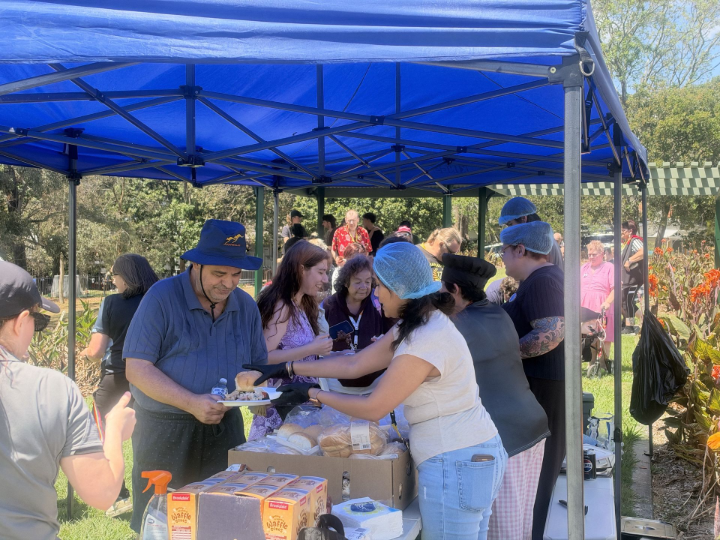
Supported Care’s QMHW 2026 event
For people who require assistance to access their communities, meaningful participation may involve more than arranging transport or providing practical support. It can also depend on having suitable activities available, being able to make personal choices and feeling welcomed in community settings.
Social isolation and loneliness among people with psychosocial disability
The differences become more pronounced when examining particular disability groups.
The AIHW's 2024 analysis found that people aged 15 to 64 with psychosocial disability experienced particularly high rates of social isolation and loneliness. Approximately 30% experienced social isolation, while 49% reported often feeling lonely.
By comparison, social isolation affected 22% of people with intellectual disability, 22% with sensory disability and 20% with physical disability.
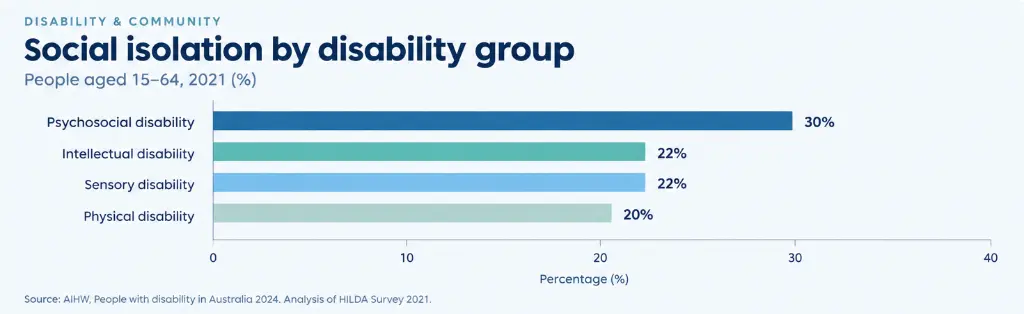
Although these findings do not establish why some disability groups experience greater isolation than others, they highlight the importance of recognising social connection as part of a person's broader support needs.
People living with psychosocial disability may have different experiences, preferences and goals when it comes to building relationships or participating in their communities.
A person-centred approach therefore needs to consider what meaningful participation looks like for each individual, rather than assuming that the same activities or arrangements will suit everyone.
What newer research tells us about support needs?
While the AIHW's 2026 report has not yet published a fully updated social inclusion chapter, its findings provide further insight into the experiences of Australians with disability.
Drawing on 2022 survey data, the report found that approximately 5.6% of people with disability aged 15 and over living in households had not seen family or friends living outside their household during the previous three months.
The same report also highlighted continuing gaps in formal assistance.
Among people with disability who needed assistance with daily activities, 35% had an unmet need for formal assistance. This included people who received some assistance but required more, as well as those who needed assistance but received none.
These findings do not establish a direct relationship between unmet formal assistance needs and social isolation. However, they highlight the broader challenges that can affect people's everyday experiences and opportunities for independence.
The 2026 report also found that 83% of people with disability aged 15 and over living in households who received formal assistance were satisfied with the quality of services provided, while 57% were satisfied with the range of services available.
The difference suggests that satisfaction with the assistance received does not necessarily translate into satisfaction with the choices available.
How disability support can encourage social inclusion
Disability support can play an important role in helping people manage daily activities, maintain independence and access their communities.
However, social inclusion involves more than the availability of formal services.
It also depends on opportunities to develop relationships, make decisions, pursue personal interests and participate in activities that are meaningful to the individual.
For disability service providers, this raises an important consideration about how support is planned and delivered.
Assistance with everyday tasks remains important, but understanding a person's interests, preferences and community participation goals can help ensure that support reflects more than immediate practical needs.
For some people, this may involve assistance to attend a local activity or reconnect with friends. For others, it may mean exploring new interests, building confidence in community settings or maintaining existing relationships.
The approach will differ depending on the individual, their circumstances and the support available to them.
Building communities where people belong
Social inclusion cannot be measured simply by the number of services available or activities attended.
It also involves whether people feel connected, valued and able to participate in ways that matter to them.
The AIHW's research highlights the continuing disparity in social connection between Australians with and without disability, particularly among people living with psychosocial disability.
While practical assistance can help address some barriers, broader community accessibility, social opportunities and individual choice also play important roles.
Meaningful inclusion is not simply about being present in a community. It is about having the opportunity to belong.
References
1. Australian Institute of Health and Welfare (2024). People with disability in Australia 2024. Catalogue DIS 72. Social inclusion and community support. View source.
2. Australian Institute of Health and Welfare (2026). People with disability in Australia 2026. Catalogue DIS 82. Summary, social support, pp. 6–8. View source.
3. Australian Bureau of Statistics (2024). Disability, Ageing and Carers, Australia: Summary of Findings, 2022. View source.
Social Inclusion in Australia: Why People with Disability Still Face Barriers to Connection